
A friend of mine once said something over coffee that most of us have probably said at some point in our lives.
“I just have terrible luck in relationships.”
I didn’t argue with her. Honestly, I couldn’t. Her track record backed her up. She’d dated people who seemed incredible for the first few months and then quietly turned into strangers. She’d watched relationships end not because anyone did anything cruel, but because two people slowly drifted into misunderstandings neither of them knew how to repair. From where she was sitting, it really did look like bad luck.
But something about that explanation never sat right with me.
We don’t talk about any other skill in life this way. If someone struggles to play piano, we don’t call them unlucky. We say they need more practice. If someone can’t finish a marathon, we don’t blame the universe. We assume they haven’t trained enough yet.
So why does love get a free pass? Why do we treat successful relationships like they happen to certain lucky people while quietly avoiding everyone else?
The longer I’ve spent writing about modern dating and relationships, the less I believe in that story. Luck might help you meet the right person at the right time. But what happens after that meeting? That’s almost entirely skill.
Reasons Why You Can Trust Us

- Faithfully reviewed over 1000 International online dating and matchmaking services
- Our team has been testing online dating services for over 10 years.
- We guarantee to review and revise the content regularly.
- Contributed in many publications including Notsalmon.com, Marriage.com, or Medium.com.
Why Most of Us Never Learned How to Love
Here’s something strange about adulthood that doesn’t get talked about enough.
We spend years preparing for nearly everything except the thing that affects our happiness the most.
Think about it. We study for years to build a career. We watch tutorials before assembling a bookshelf. We read reviews for weeks before buying a washing machine. We take exams, get certifications, and practice skills repeatedly before we’re trusted to use them professionally.
Then one day we fall in love, and suddenly we’re expected to know how to communicate clearly, argue fairly, build trust, support another person emotionally, and handle conflict, all without a single class on any of it.

Where exactly are we supposed to learn this?
Most of us absorb our first relationship lessons without realizing it. We pick them up from:
- Our parents’ relationship, whether healthy or not
- Friends and their dating stories
- Movies and TV shows that resolve conflict in two hours with a grand speech
- Social media, which mostly shows highlight reels, not reality
- Our own past relationships, good and bad
Some of those lessons genuinely help us. Others quietly create habits that follow us into every relationship we have afterward, often without us even noticing.
This is exactly why two genuinely kind, well-intentioned people can spend months misunderstanding each other. It’s rarely because either person wants the relationship to fail. More often, they’re operating from two completely different, unspoken rulebooks about what love is supposed to look like and how it’s supposed to grow.
The Biggest Relationship Myth? Chemistry Is Enough
I think chemistry gets far more credit than it actually deserves.
Don’t misunderstand me. Attraction matters. Shared humor matters. That nervous excitement of seeing someone you like matters. Nobody’s claiming those things are unimportant.
But chemistry is excellent at one specific job: introducing two people to each other. It’s much less reliable when it comes to helping those same two people function in everyday life, especially once the initial excitement settles.

These couples shared a few specific habits:
- They knew how to disagree without turning it into a competition
- They apologized without keeping score of who was “more wrong”
- They noticed when their partner seemed overwhelmed and adjusted, instead of digging in their heels out of stubbornness
- They treated conflict as a problem to solve together, not a battle to win
None of that is glamorous. It won’t make it into a romance movie. But these unglamorous habits are exactly where lasting relationships are built.
Here’s something I’ve come to believe firmly: most relationships don’t end because two people suddenly stop liking each other overnight. They end because two people slowly lose the feeling that they’re understood. Small misunderstandings pile up. Conversations become more defensive. Appreciation quietly gets replaced by assumptions. Eventually, two people who genuinely still care about each other start to feel strangely alone, even while sitting in the same room.
That’s not bad luck. That’s a slow accumulation of habits, formed one conversation, or one uncomfortable silence, at a time.
Hollywood Ruined Our Expectations of Love
When people imagine romance, they usually picture something big. A surprise weekend away. An elaborate proposal. An expensive anniversary dinner under string lights.
I’ll admit it, I’ve dreamed about all of those things too. And sure, those moments are lovely when they happen. But they’re also rare. They’re the frosting on the cake, not the cake itself.
What I’ve actually learned from my own marriage is that real relationships are built in much smaller, quieter moments. Things like:
- Someone remembering you have an early meeting and quietly making the coffee before you wake up
- Checking in after a hard day, even with something as simple as “how did it go?”
- Laughing together about something completely insignificant
- Putting your phone face down at dinner because the person across from you deserves your full attention
None of those moments would sell movie tickets. But they’re often the ones people remember years later, long after the big anniversary trip has faded from memory.
I’ve started to believe that romance isn’t something you switch on for special occasions. It’s something that grows slowly, out of consistent, ordinary attention. And that kind of consistent attention has far less to do with personality than it does with practice.
Before You Blame Your Partner, Read This
One lesson took me much longer to learn than I’d like to admit.
Every relationship includes a third, often invisible, participant: your own patterns.
The way you react when you’re hurt. The stories you quietly tell yourself when someone doesn’t text back right away. The assumptions you make in the middle of a disagreement. The things you never say out loud because you’re afraid they’ll change how someone sees you.
These patterns don’t disappear just because you’ve finally met someone wonderful. If anything, being close to someone tends to expose these patterns more clearly than ever before.

I don’t think becoming a better partner starts with learning clever communication techniques or scripted phrases for handling conflict. I think it starts with becoming genuinely curious about yourself first. Ask yourself:
- Why does one comment stay with you for days while another rolls right off your back?
- Why do certain conversations immediately put you on the defensive?
- Why do certain relationship dynamics feel oddly familiar, even when they aren’t particularly healthy?
These are uncomfortable questions to sit with. But they’re also where some of the most useful relationship skills actually begin.
Can Artificial Intelligence Help You Love Better?
This is a place where I think AI companions are far more interesting than most people give them credit for.
To be clear, they can’t and shouldn’t replace real relationships. But they can give people a low pressure space to practice conversations they might otherwise avoid entirely.
Someone who feels awkward expressing appreciation out loud can experiment with putting feelings into words for the first time. Someone who struggles to ask thoughtful questions can notice firsthand how much better a conversation flows once they stop talking only about themselves.
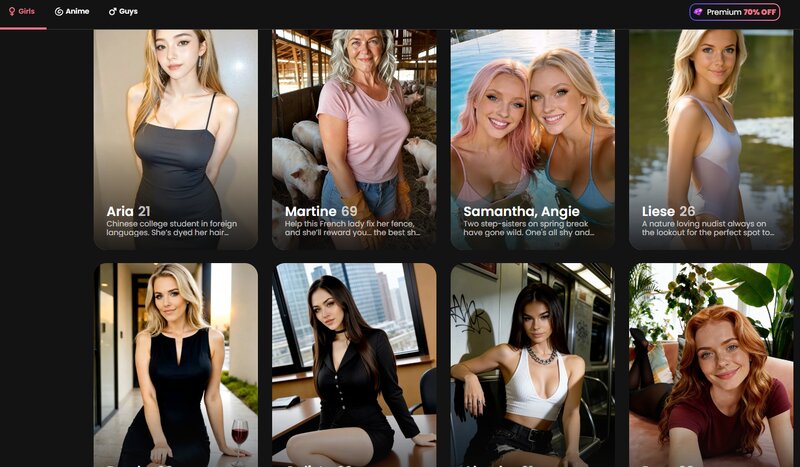
Someone who feels anxious about dating in general might simply become more comfortable holding a conversation without overthinking every sentence.
None of that guarantees a successful relationship down the line. Practice rarely guarantees anything. But it does make us a little more prepared for when the real opportunity actually shows up.
Finding Love Is Chance. Keeping It Is a Skill
I still believe luck plays some role in love. You genuinely can’t force yourself to meet the right person at exactly the right moment, and bad timing has ended more promising relationships than any of us would like to admit.
But we often use luck as an excuse to avoid things that are actually completely learnable. Consider this:
- Listening closely, instead of just waiting for your turn to talk, is a skill
- Managing conflict calmly is a skill
- Showing appreciation out loud, instead of just feeling it privately, is a skill
- Staying curious about another person, even years into a relationship, is a skill
Even choosing someone who’s genuinely compatible with you, instead of someone who simply feels familiar, becomes easier with experience and self-awareness over time.
Key Takeaways
Here’s what I want you to walk away with:
- Stop blaming luck for relationship patterns that are actually shaped by learnable habits
- Chemistry starts relationships, but it’s everyday skills like patience, apologizing, and adjusting that keep them going
- Romance lives in small, consistent moments, not grand occasional gestures
- Understanding your own emotional patterns is often the real starting point for becoming a better partner
- Practice, in any form, including low stakes conversations, builds real world relationship readiness
If healthy relationships depended entirely on luck, there wouldn’t be much any of us could actually do about it. But if they’re built from skills that genuinely improve with time and intention, then every conversation, every disagreement, every awkward first date, and every lesson learned from a relationship that didn’t work out becomes part of your ongoing education.
Finding someone might require a little luck. Building something that lasts almost never does.
What's Next?
If this resonated with you, I’d genuinely love to hear from you. What’s one relationship skill you had to learn the hard way, the kind nobody ever sat you down and taught you?
Drop your story in the comments below. And if you want more honest, experience based essays on modern dating, relationships, and the psychology behind human connection, subscribe to get new articles delivered straight to you. This is exactly the kind of conversation I want to keep having here.
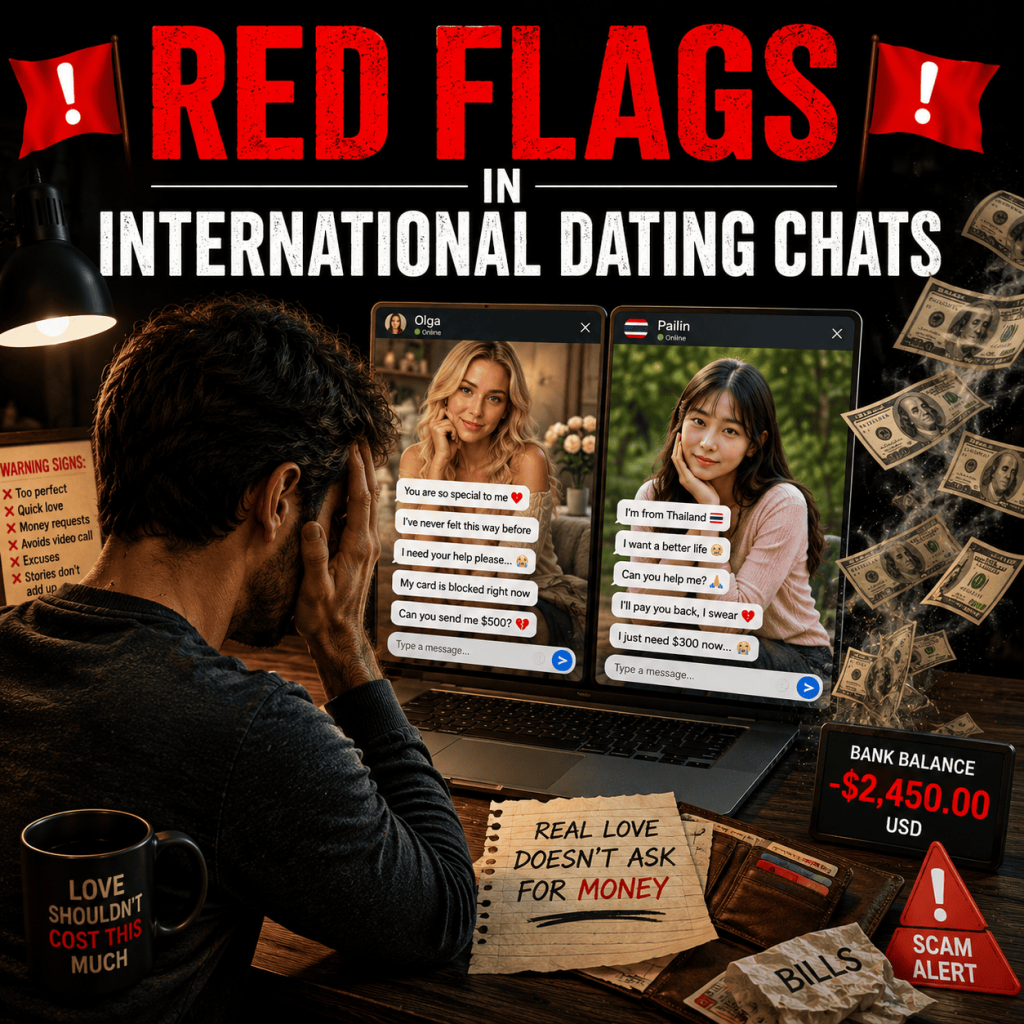
New Ebook: Red Flags in International Dating Chats

